
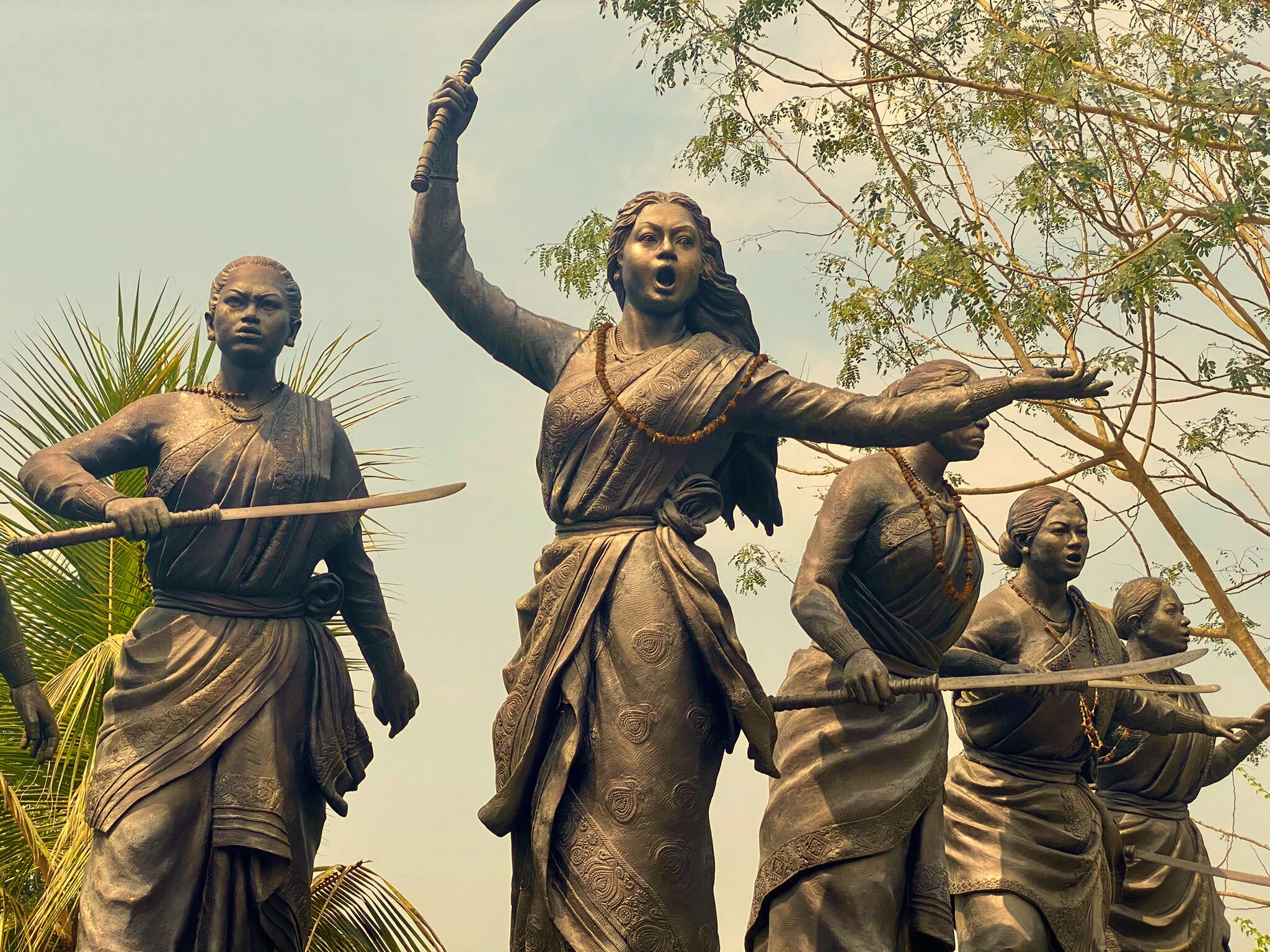
Rediscovering the Patriotic Zeal of Birangana Mula Gabhoru
Bishnu Prasad Gogoi, Assistant Professor of English, Kaziranga University, Jorhat, Assam
The entire history of the Indian freedom movement is replete with the saga of bravery, sacrifice and political sagacity of hundreds and thousands of women of our country. From the ancient period the women of India had been taking active part in politics. In the period of Vedas women like Gargi and Maitrayee played active role in Indian politics. In the following period during the reign of the Sultanates and the Mughals women like Sultana Rajiya and Nurjahan looked after the administration of the empire. The sacrifice made by the women of India occupies the foremost place in the freedom struggle. They fought with true spirit and unafraid courage and faced various tortures, exploitations, and hardships.
In this glorious history of women in India, the contributions of the Assamese women are no less important. One such historically important Assamese lady was Mula Gabharu.
At the time of political crisis, when the Ahom kingdom had to wage war with the Mughals, this girl took birth in a royal family of Assam. She spent her childhood at Sorgua. Her father was Suhungmung (1497-1539). But, according to the eminent historian of Assam, Hiteswar Borua, her father was Swargadew Siumpha alias Supimpha (1493-1497). From her very childhood, she had great interest in fighting with swords. She took lessons in warfare and swimming. Besides she also took lessons in horse and elephant riding. Meanwhile, she also possessed the art of weaving. The lessons in warfare made her very courageous and fearless.
Mula Gabharu was the wife of Phrasengmung Borgohain, the then Ahom commander. It was under his able leadership that the Ahoms fought very bravely with the other neighbouring evil tribal forces. His accomplishment made him to be accorded with the prestigious title of “Sadia Khowa Gohain” by the Ahom king and assigned him the power and authority to rule Sadia. His lawful wife stayed behind him as a great inspiration in all the wars he fought with the enemies. She kept on inspiring him to learn the better tactics of warfare and save the country from the other invasions. According to Padmanath Gohain Borua’s, “Asamar Buranji” Phrasengmung had to lay down his life in the 5th Muslim invasion of Ahoms at Kapiliganga in 1527.He was slain in this battle against the Mughals.
However, when Mula Gabharu heard the news of her husband’s death, she decided to take arms against the enemies. She knew that her decision might lead her to surrender to fate of death but she was not daunted at all. The honour of the Ahom kingdom was more precious to her than her own life.
The memory of her husband tormented her much. She thought that she was fully responsible for the death of her husband. Like others in the society of the Ahoms, she thought that if she could have been able to give her husband the “Kabas Kapur”, i.e. the “amulet cloth” at the time of his going to the battlefield to fight with the enemies, he would not have been defeated and slain in the battlefield. But it was irony of fate. She failed to weave a “Kabas Kapur” within a night due to her monthly course. However, she was well determined to go to the war to take revenge upon the murderer of her husband. Five other ladies joined her and reached the battlefield riding her elephant called Nanzing. When the Ahom army saw these valiant women entering the battlefield, they were greatly inspired.
Armed with courage and hope, they then started fighting with greater ardour for a couple of days. Mula Gabharu entered the battlefield like a real and efficient warrior and started destroying the enemy soldiers with great valour, one after the other. Her grim determination to fight with the enemies encouraged the other Ahom ladies to join her in the warfare. Her valour frightened the enemy soldiers greatly and the Ahom army caused havoc upon them. In the battle of Dumunihila, she killed two Mughal commanders. However, a bullet from Turbak hit Mula Gabharu and she died on the spot.
But at the same time, the Ahom soldiers were so inspired and emboldened by the valour of MulaGabharu that even after her death, they fought with double courage and efficiency and as a result, the Mughal soldiers were compelled to leave the country.
In the year 1533, the Mughal senapati Turbak invaded the Ahoms. The Ahom Sena, in the able leadership of Kanseng Borpatra Gohain, Sukleng Konwar, Tankham Borgohain, the son of Phrasengmung and many more fought many battles at Khagrijan, Koliabor, Hatbor, Gorikuri, Dumunihila, Holal, Chola, Dikraimukh, Ghiladhari and Bhorali and ultimately, Kanseng Borpatra Gohain, the General of the Ahom army killed the Muslim general Turbak and Hussain Khan and presented Turbak’s head to the Ahom king. With the death of these two leaders, the Mughal army had to march back to their own country. If Mula Gabharu would not have the courage and valour to fight with the cruel Mughals after the death of her husband, the Mughals would have invaded the Ahoms.
By her sacrifice, Mula Gabharu tried to save Assam from the Mughal invasions. Her love for her country, devotion to her husband and her self-sacrifice, inspires the Assamese young generation in particular on the one hand and the Assamese people, in general, on the other. Her tragic legend still inspires the Assamese young girls. All the people of Assam still remember her with great reverence and honour. But the tragic fact is that a lot has to be explored on Mula Gabharu. The intellectuals, academicians, researchers, scholars and the community organizations are very silent on her. She is not a patriot of the Ahoms, rather she can be acclaimed as patriot of our entire country. The scholars might find ample scope to do research on her.
The entire history of the Indian freedom movement is replete with the saga of bravery, sacrifice and political sagacity of hundreds and thousands of women of our country. From the ancient period the women of India had been taking active part in politics. In the period of Vedas women like Gargi and Maitrayee played active role in Indian politics. In the following period during the reign of the Sultanates and the Mughals women like Sultana Rajiya and Nurjahan looked after the administration of the empire. The sacrifice made by the women of India occupies the foremost place in the freedom struggle. They fought with true spirit and unafraid courage and faced various tortures, exploitations, and hardships.
In this glorious history of women in India, the contributions of the Assamese women are no less important. One such historically important Assamese lady was Mula Gabharu.
At the time of political crisis, when the Ahom kingdom had to wage war with the Mughals, this girl took birth in a royal family of Assam. She spent her childhood at Sorgua. Her father was Suhungmung (1497-1539). But, according to the eminent historian of Assam, Hiteswar Borua, her father was Swargadew Siumpha alias Supimpha (1493-1497). From her very childhood, she had great interest in fighting with swords. She took lessons in warfare and swimming. Besides she also took lessons in horse and elephant riding. Meanwhile, she also possessed the art of weaving. The lessons in warfare made her very courageous and fearless.
Mula Gabharu was the wife of Phrasengmung Borgohain, the then Ahom commander. It was under his able leadership that the Ahoms fought very bravely with the other neighbouring evil tribal forces. His accomplishment made him to be accorded with the prestigious title of “Sadia Khowa Gohain” by the Ahom king and assigned him the power and authority to rule Sadia. His lawful wife stayed behind him as a great inspiration in all the wars he fought with the enemies. She kept on inspiring him to learn the better tactics of warfare and save the country from the other invasions. According to Padmanath Gohain Borua’s, “Asamar Buranji” Phrasengmung had to lay down his life in the 5th Muslim invasion of Ahoms at Kapiliganga in 1527.He was slain in this battle against the Mughals.
However, when Mula Gabharu heard the news of her husband’s death, she decided to take arms against the enemies. She knew that her decision might lead her to surrender to fate of death but she was not daunted at all. The honour of the Ahom kingdom was more precious to her than her own life.
The memory of her husband tormented her much. She thought that she was fully responsible for the death of her husband. Like others in the society of the Ahoms, she thought that if she could have been able to give her husband the “Kabas Kapur”, i.e. the “amulet cloth” at the time of his going to the battlefield to fight with the enemies, he would not have been defeated and slain in the battlefield. But it was irony of fate. She failed to weave a “Kabas Kapur” within a night due to her monthly course. However, she was well determined to go to the war to take revenge upon the murderer of her husband. Five other ladies joined her and reached the battlefield riding her elephant called Nanzing. When the Ahom army saw these valiant women entering the battlefield, they were greatly inspired.
Armed with courage and hope, they then started fighting with greater ardour for a couple of days. Mula Gabharu entered the battlefield like a real and efficient warrior and started destroying the enemy soldiers with great valour, one after the other. Her grim determination to fight with the enemies encouraged the other Ahom ladies to join her in the warfare. Her valour frightened the enemy soldiers greatly and the Ahom army caused havoc upon them. In the battle of Dumunihila, she killed two Mughal commanders. However, a bullet from Turbak hit Mula Gabharu and she died on the spot.
But at the same time, the Ahom soldiers were so inspired and emboldened by the valour of MulaGabharu that even after her death, they fought with double courage and efficiency and as a result, the Mughal soldiers were compelled to leave the country.
In the year 1533, the Mughal senapati Turbak invaded the Ahoms. The Ahom Sena, in the able leadership of Kanseng Borpatra Gohain, Sukleng Konwar, Tankham Borgohain, the son of Phrasengmung and many more fought many battles at Khagrijan, Koliabor, Hatbor, Gorikuri, Dumunihila, Holal, Chola, Dikraimukh, Ghiladhari and Bhorali and ultimately, Kanseng Borpatra Gohain, the General of the Ahom army killed the Muslim general Turbak and Hussain Khan and presented Turbak’s head to the Ahom king. With the death of these two leaders, the Mughal army had to march back to their own country. If Mula Gabharu would not have the courage and valour to fight with the cruel Mughals after the death of her husband, the Mughals would have invaded the Ahoms.
By her sacrifice, Mula Gabharu tried to save Assam from the Mughal invasions. Her love for her country, devotion to her husband and her self-sacrifice, inspires the Assamese young generation in particular on the one hand and the Assamese people, in general, on the other. Her tragic legend still inspires the Assamese young girls. All the people of Assam still remember her with great reverence and honour. But the tragic fact is that a lot has to be explored on Mula Gabharu. The intellectuals, academicians, researchers, scholars and the community organizations are very silent on her. She is not a patriot of the Ahoms, rather she can be acclaimed as patriot of our entire country. The scholars might find ample scope to do research on her.
Stay up-to-date
Related Post
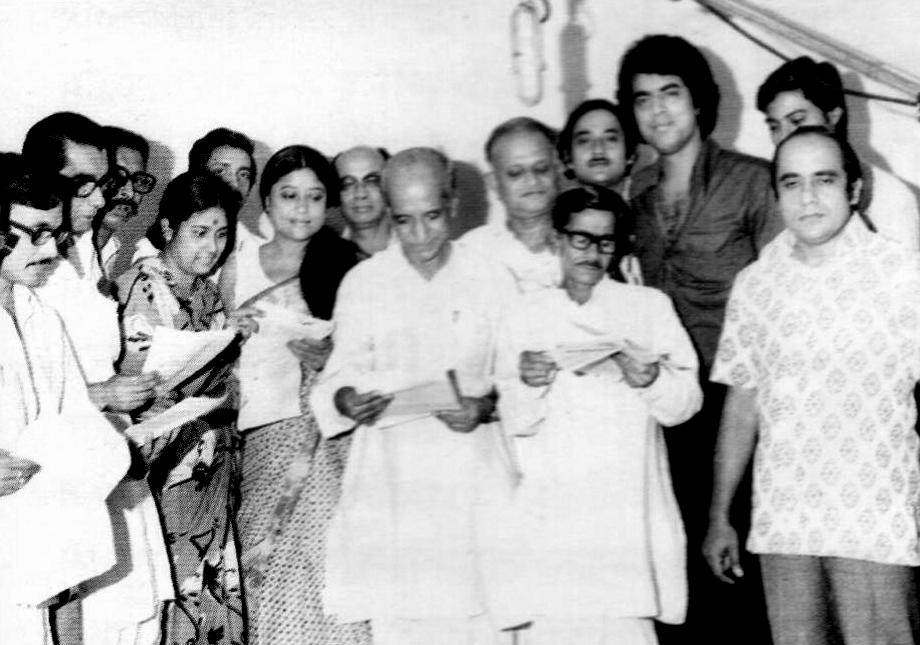
Listeners of an earlier era still fondly recall waiting eagerly for the broadcast of immensely popular plays and serials from the AIR Guwahati Centre. In the 1960s, eminent playwright Dr. Bhubendra Nath Saikia made invaluable contributions along with noted dramatists like Prafulla Bora, Ghana Hazarika, Mahendra Barthakur, Arup Barthakur, Akhil Chakravarty, and the versatile Arun Sarma.
Since my relationship with All India Radio began through modern songs and through my interactions with singers, lyricists, and composers, I would like to briefly discuss the role that All India Radio has played in the creation, development, and popularity of Assamese modern songs.
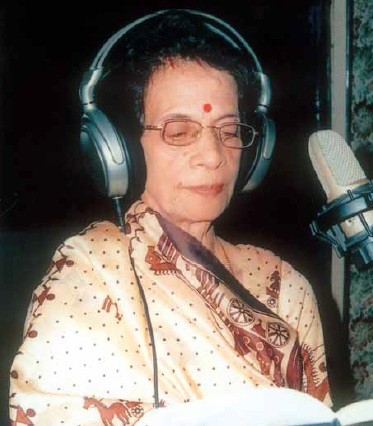
Thus this way Lakshyaheera earned her nicknames ‘Sanu’, ‘Posaki’ etc. In the wonderful environment of Sualkuchi Lakshyaheera grew up. She spent her childhood in the centre of vaishnavite culture and tradition at Barpeta and the cultural capital of Assam- Tezpur.
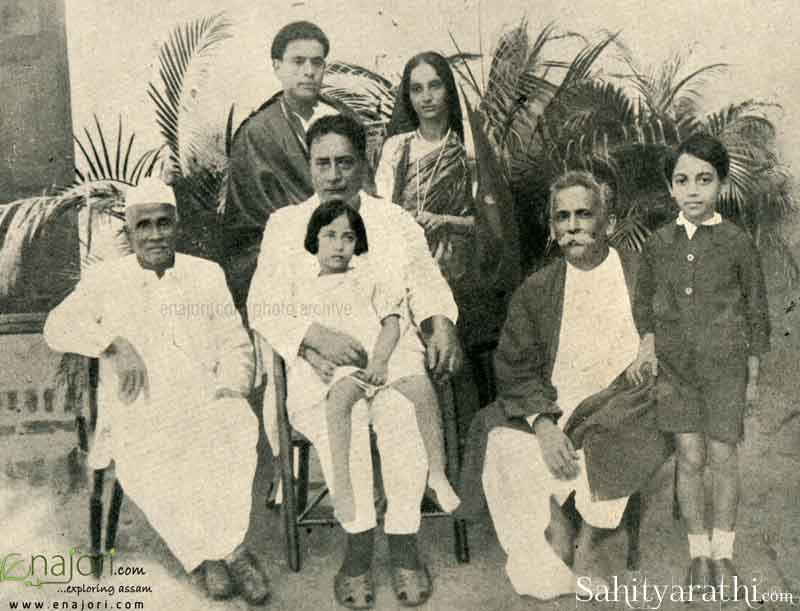
Ritha Devi was also the first woman to have been taught the sacred Sattriya Nritya of Assam, and the first dancer to take it out of Assam and out of India. She has also studied some other traditional dances of Assam, like the Deodhani and the Deonati, which were almost on the verge of extinction, and was again the first dancer to showcase them in the international platform.